
Credentials. Experience. Judgment. Empathy. Accessibility. Accountability.
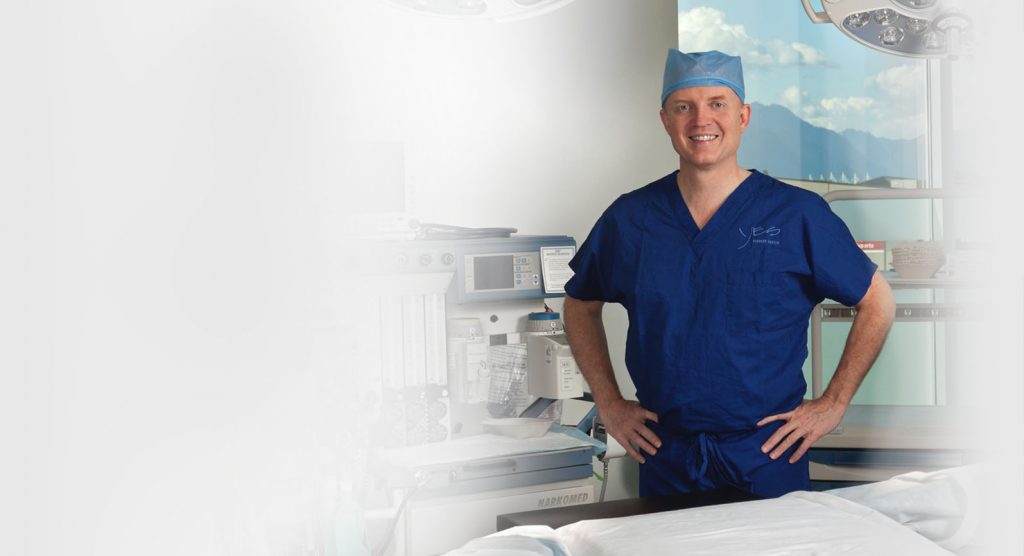
Since beginning my practice in 1996, I have had the privilege of advising and caring for many patients considering cosmetic surgery and aesthetic treatments. Following fellowship training in aesthetic surgery of the face, I have always tried to remain at the forefront of my field. I remain deeply grateful for the long-term professional relationships I have shared with my patients and for the mutual trust that we developed.
As I retire, many patients have asked me who they should see in the future. In addition to providing a list of physicians to consider in different areas of the province, I believe it is valuable to understand how I would choose a provider of these services for myself or someone very close to me.
The central message is simple: choose the professional before you choose the procedure, product, device or price.
Aesthetic Medicine Has Changed Dramatically
The world of aesthetic medicine has expanded rapidly. So have short courses, certificates, treatment demonstrations and social media claims of expertise. Education is valuable. Courses can introduce clinicians to new techniques and technologies, but a course is not the same thing as comprehensive professional training, supervised experience, mentorship, sound clinical judgment and experience managing complications.
Social Media Is Not the Same as Credentialing
A large following, impressive before-and-after photos or a title such as “advanced or expert injector” does not verify someone’s training or expertise. It is worth looking beyond a certificate on a wall or a title in a social media profile.
Do Not Shop for a Device or Brand
Technology has transformed aesthetic medicine. Lasers, radiofrequency, ultrasound, microneedling systems and other energy-based technologies can be remarkable tools when appropriately selected and used.
But remember: The device does not assess you. It does not determine whether you are an appropriate candidate. It does not decide which settings are appropriate for your skin, anatomy or medical history. It does not recognize every sign of excessive tissue injury. And it does not manage a complication. The provider does.
Do not let a brand name, promotion or low price be a substitute for credentials, experience and clinical judgment. The same device can produce very different results in different hands.
Who is doing your treatment is more important than the device used.
Important Principles for Injectables
Injectable treatments require particular attention to who is responsible for your care.
In British Columbia, when an RN or LPN administers aesthetic injectables under a client-specific order, the responsible ordering health professional must be present in the facility and immediately available during the procedure.
For aesthetic providers who work temporarily in a location or who work in more than one location, ask who will look after you if you have a concern or complication.
Before treatment, ask about credentials, experience, alternatives, complications and after-hours care.
Good aesthetic care doesn’t end when you leave the treatment room.
Five Questions Worth Asking Before Treatment
Whether you are considering cosmetic surgery, an injectable treatment, a laser or another aesthetic procedure, I encourage you to ask these 5 questions:
- What is your regulated health-care profession and formal specialty training?
- How much experience do you have with this treatment and with patients like me?
- What alternatives should I consider — including doing nothing?
- Who is responsible if a complication occurs?
- Am I being educated about my options so that I can make an informed decision—or am I simply being sold a treatment?
For those who would like more detail, I have put these questions and others into a printable patient guide you can take to a consultation.
Choosing the Professional Before the Procedure
There will always be new devices, new products and new treatment techniques.
Some will prove genuinely valuable. Others may eventually be replaced by something newer.
But the fundamental principles of good patient care do not change.
Look for a qualified professional who takes the time to understand you, can explain the reasoning behind a recommendation, is honest about limitations and risks, and has a plan for managing problems should they occur.
Final Thoughts
After almost 30 years in practice, that is one of the most important lessons I can leave with my patients.
I am deeply grateful to everyone who trusted me with their care over the years. The relationships built with patients have been one of the most meaningful parts of my professional life.
As I retire, my hope is that this advice will help patients continue to make thoughtful, informed decisions about their aesthetic care for many years to come.
Leave a Reply